

Showcasing impact: Winners of the 2025 FI Campus financial instruments awards
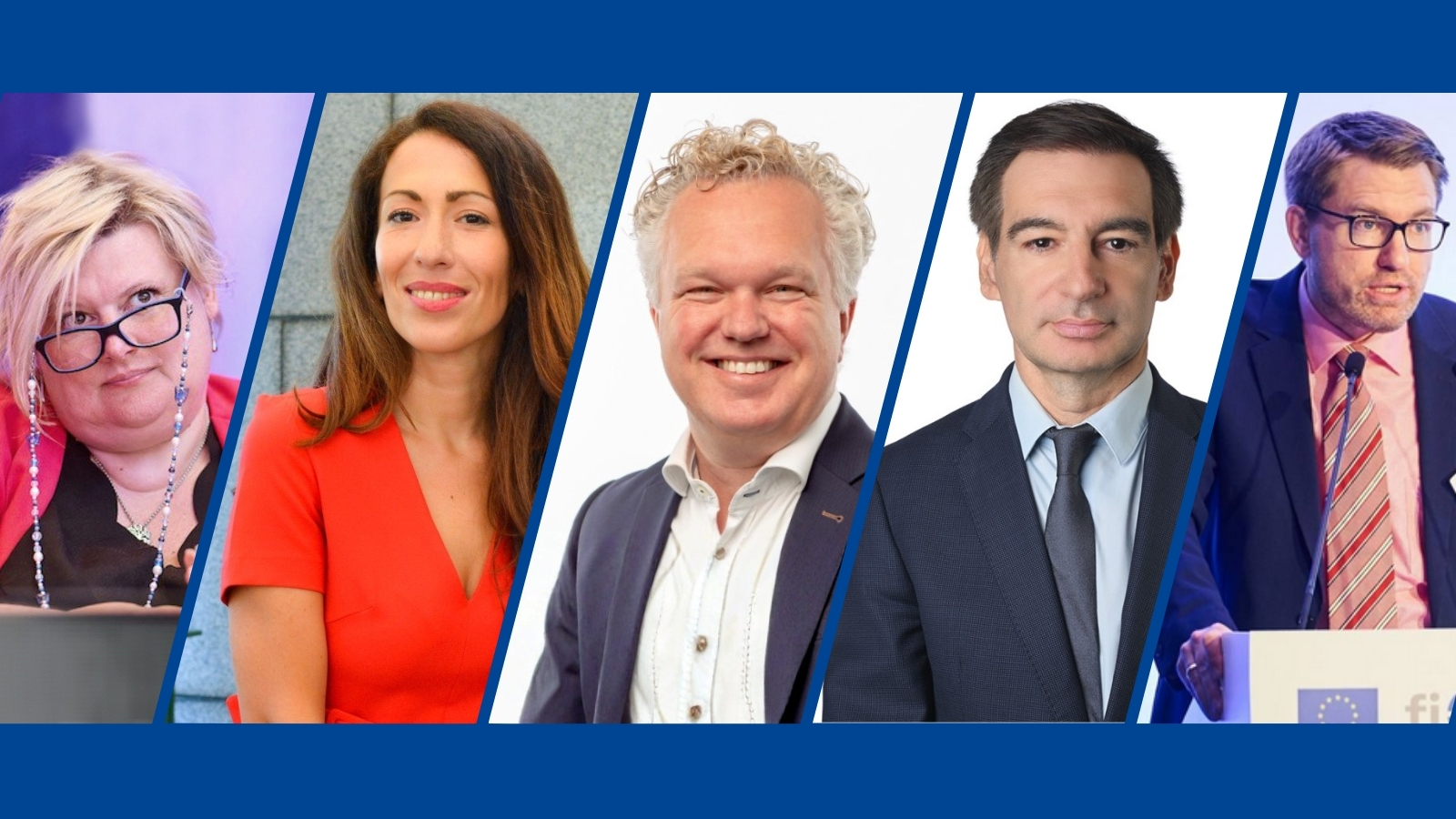
A discussion with Iva Petkova, Melvin Könings, Abel Mascarenhas and Jörg Lackenbauer, hosted by Nathalie Van Neck, DG REGIO.
Winners of the 2025 FI Campus Showcase Awards, highlighting impactful EU shared management financial instruments from Bulgaria, Portugal, and the Netherlands.
Through discussions with award recipients and DG REGIO representatives, it illustrates how innovation, collaboration, and urban development funds are driving sustainable growth, leverage, and future investment priorities across Europe.




Hello and welcome to a new episode of the fi-compass Jam Sessions podcast.
I am Nathalie Van Neck from the European Commission's DG REGIO unit that is responsible for financial instruments and relations with international financial institutions. I am delighted to have you with us today to present to you the projects that won this year's FI Campus Showcase Awards.
It was the sixth edition of the FI Campus event, which is our yearly appointment with the fi-compass community to give the spotlight to the driving forces behind some of the most impactful EU shared management financial instruments, and to see the real benefits of these instruments and the projects they support on the ground. It was also the fourth edition of the Showcase Awards, where stakeholders involved in these European shared management financial instruments are invited to share their stories of impact, collaboration and innovation. And from the many submissions we received, three were chosen by the FI Campus audience as winners. And let me tell you, it was not an easy choice, but I am very happy to introduce to you the winners in the three categories.
For Growing Impact - welcome Iva Petkova from FLAG Bulgaria. Hello, Iva.
From vision to impact: the growth of urban development funds in Bulgaria

Good afternoon Nathalie. It is a pleasure for me to join you.
Nathalie Van Neck: And a warm welcome to Melvin Könings from Lysias Consulting Group, working for Rotterdam municipality and winner in the Constructive Collaboration category. Hi Melvin!
Constructive collaboration with Social Impact Fund in the Netherlands, a case study from Rotterdam
Yes, good to be here in the podcast and we are really lucky to be a winner in our contest.
Nathalie Van Neck: And welcome also to Abel Mascarenhas from Banco Português de Fomento, winner in the Innovation category. Good afternoon Abel.
Banco Portugues de Fomento: Capitalizar Mais Guarantee
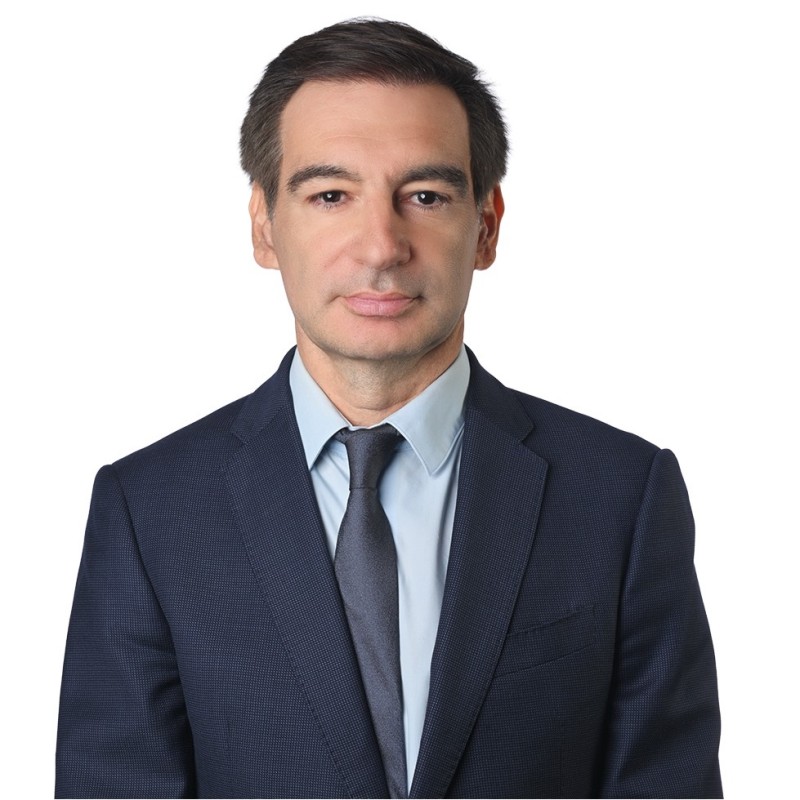
Hello, Nathalie. Good afternoon to you and to all of you. And I'm very glad to be here. And thank you for the invitation.
Nathalie Van Neck: And last but not least, I'm very happy to be joined by my colleague Jörg Lackenbauer from DG REGIO’s Bulgaria, Hungary & Slovenia Unit, who will bring the perspective of our geographical units to the table, as well as the cooperation with the Bulgarian managing authority that was involved in the deployment of today's Bulgarian case. Hi Jörg!
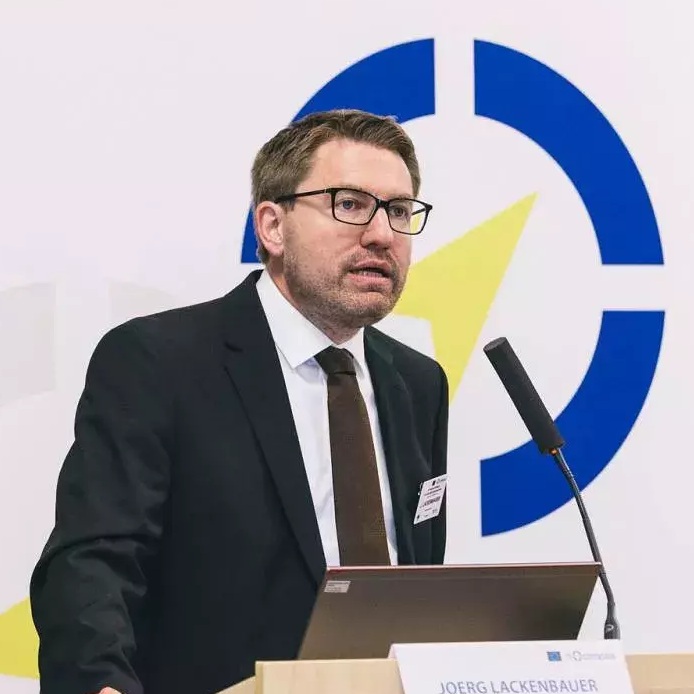
Hello, Nathalie, and hello to everyone. I'm looking forward to today's discussion.
Nathalie Van Neck: So let's start with the sentiments. Iva , congratulations. How do you feel about securing the Growing Impact award? The third award already for Bulgaria.
Iva Petkova: We regard the Growing Impact award at FI Campus 2025 as a powerful recognition of our continuous and relentless efforts over the past 12 years implementing urban development funds in Bulgaria, I think in the best possible way. This is our third award. You are right. Yet it is by far the most precious to us, as it symbolically closes the cycle of two programming periods and gives us renewed confidence, motivation and energy to continue moving forward. I believe our pitcher, Anthony Margaritov, felt also very happy and relieved, just as I did, although he is quite modest about sharing this. The pitching clearly demonstrated not only the growing impact of the ERDF, but also his own professional development. As one of our youngest colleagues, we have seen him grow alongside the latest advancements in financial instruments, and this was evident in his performance.
Nathalie Van Neck: It certainly was. Now, congratulations to you too, Melvin. How does it feel to take the Constructive Collaboration award home with you to Rotterdam?
Melvin Könings: Well, we are very glad to have won this award, and it's a recognition of quite a long way of making the fund happening. And because we've been working on this for about eight years already now, but the fund is really paying off now and then it's really nice to have recognition from Brussels and Luxembourg that we're on the right path.
Nathalie Van Neck: Thank you. And Abel, the innovation prize for Portugal. What are your feelings?
Abel Mascarenhas: Well, me and all the team, we felt great. We did the work. You know, that was the first time that Portugal won through one financial instrument in this great event of FI Campus, in this category of Innovation. So it was something that was very good for us because there's a lot of work behind that. And also on the top of everything, it was the 10th anniversary of fi compass, so it was great.
Nathalie Van Neck: And fantastic projects they are. Let's delve into them now. Abel, as you said, you won the Innovation Category. Can you tell us about your financial instrument the Capitalizar Mais Guarantee- and what its ambitions are?
Abel Mascarenhas: Well, you know, this year 2025, here in Banco Português de Fomento we are operating more than 20 financial instruments and we are supporting more than 14 000 enterprises with €5 billion. And this year the execution is very well. It's 12 times more than the last year. And this program 'Capitalizar Mais Guarantee' line is a hybrid financial instrument with €1.6 billion to support enterprises to invest. So in this financial instrument, we have one guarantee, one counter guarantee, a commercial loan and a grant to cover the costs of the interest rates and the guarantee fee. The guarantee covers 80% of the loan and it has a maturity of 12 years. So with this combination, we open doors for thousands of companies that needed financing to invest and to grow and to innovate. As I mentioned, in the event, we have a multiplier effect of eight times because with almost €190 million of investment, we have the leverage of €1.5 billion of financing. So the result that we have is very good because the factories are expanding, the digital tools are being adopted and jobs are being created. So in summary at Português de Fomento we support enterprises and because of that we are creating a Portugal with the future.
Nathalie Van Neck: Thank you. Abel. Iva , over to you. The urban development funds won the Growing Impact award. Can you describe the instrument and then tell us also why you think these participants voted for you to win this specific theme?
Iva Petkova: Urban development funds are relatively well known and trusted financial instrument, especially after JESSICA Initiative in the period 2007 to 2013. They are an ERDF-backed risk-sharing instrument aiming to provide long term investment loans (mainly for projects for urban regeneration, cultural heritage, sustainable mobility, cultural sports, social infrastructure etc.) aimed at different final recipients, both public and private. Their main objective is to attract additional private resources to the public ones and of course, to contribute to achieving the objectives of the Cohesion Policy, especially in relation to the sustainable and integrated urban development. In the last 13 years, the urban development funds in Bulgaria have demonstrated considerable growth. In the period 2014-2020, the public reserves increased fivefold compared to the JESSICA initiative, where there were only pilot JESSICA funds, for seven cities in Bulgaria. The territorial intelligibility scope are continuously expanded and cover almost all sectors linked to urban regeneration, and the introduction of combination of financial instruments with grants allowed more public projects to obtain financing from financial instruments, so we are looking forward to the combination within a single operation, which is allowed under 2021-2027 programming period. Why did the participants vote for us, I believe because urban development funds are relatively well known. The Sustainable Cities Fund has received awards as it was mentioned before, two awards before this third award, and this reinforced our credibility. At the same time, the showcase submission really demonstrated tangible results, substantial impact and a visible change on the ground. Last but not least, I believe the convincing and straightforward pitch delivered by Anthony, clearly communicated the value of the instrument and the results achieved, making it easy for participants to understand both the concept and its benefits.
Nathalie Van Neck: Thank you Iva . Melvin- Your category was Constructive Collaboration. Please tell us about the Social Impact Fund Rotterdam and why you believe the focus on collaboration resonated with the voters.
Melvin Könings: Yeah, well, it's all about collaboration in Rotterdam. It's also about urban development, by the way. But the whole fund has started that it is aimed at social impact, social enterprises, bringing people to the labour market that have a sort of a distance to the labour market and supporting these kind of undertakings. And beforehand we had to do it one by one and there was always a subsidy approval going on. And it's a lot of hustle. And by bringing these kind of investments, into a fund, it's much easier and faster to use the ERDF money and to bring the money to the right recipients. It's all about collaboration because it's not a relationship just between the public authorities and the social enterprise. It's also on investors and other private investors, and by setting up a blended finance fund, we are able to bring in private investors in the fund. And herewith we have a multiplier of six and a half at fund level. And that is really awesome because that's really the power of this instrument.
Nathalie Van Neck: Thanks, Melvin. Jörg, we're coming to you now looking at the Bulgarian success of Iva and her colleagues and the theme of Growing Impact. What is REGIO’s view on the evolution of these urban development funds and their role in the region?
Jörg Lackenbauer: First of all, I'd like to congratulate Iva and her team for this award. I think we in the Bulgarian Unit and DG REGIO are also very proud alongside the fund managers because it's a great recognition for the work done. We think that the Sustainable Cities Fund, as one of the operating urban development funds in Bulgaria, has a very important territorial scope. It's a very important partner to municipalities and private investors and businesses across the country, in fact, and it supported, as Iva already said, projects in various areas. More than 100 projects, if I'm informed correctly, in different areas: urban development, regeneration, energy efficiency, cultural infrastructure and so on. And I think it was a very important instrument in the operational programme regions in growth 2014 - 2020, when it already had very important allocations. But the problem in 2014 – 2020, as we all know, was that combinations of financial instruments and grants were not possible in one single operation, but in two operations, distinct operations, which made it a bit challenging to put this into practice. Now, let's hope that the change in 2021 -2027, where we can actually combine financial instruments and grants in a single operation, will make life easier for the fund managers and will help this fund getting even more traction. In 2021-2027, in the programme development of regions, we have an allocation of more than 200 million for that financial products aimed at urban and regional development. And we as DG REGIO would be very glad to see these instruments deployed, to see them work on the ground, because they will be very helpful to Bulgaria's development, and we would be glad also to see investments in northern Bulgaria, because the north of Bulgaria is among the poorest regions in Bulgaria and in Europe, and therefore we look forward to a countrywide scope of the funds. Thank you.
Nathalie Van Neck: Thank you Jörg. I feel the next submission for a FI Campus showcase coming. I would now also like to share with our listeners your experience and favorite parts of the event itself. Abel what was your favorite part of FI Campus this year?
Abel Mascarenhas: Well, I think that at FI Campus, the best moment of FI Campus is the Showcase. The showcase - with people voting, then knowing who won the awards. I think that is the moment. My favorite part is also the moment in the year when we can change ideas with the other teams from the other countries and create relationships with all of you. Also, sharing knowledge with the workshops that we have and like in Vilnius, we visit some projects and I think that is very important because we see on the ground the changes that we are doing with our financial instruments.
Nathalie Van Neck: Thank you! Iva?
Iva Petkova: The program was quite intense and interesting, but yes, I believe the award ceremony was the most interesting part of the Fi Campus this year, probably because we have been among the awarded ones, so it was a real pleasure to be on stage again. And yes, the networking opportunities. I'm always happy to see so much friends and colleagues at FI Campus and also Abel we met in that way a couple of years ago. We've been at a study visit to IFRUU a couple of years ago. So this is invaluable for the growth of the whole fi-compass community, to see each other and to be able to share our common problems and to find common solutions.
Nathalie Van Neck: Yes. Thank you. I fully agree! Melvin?
Melvin Könings: Yeah, of course, I agree with Iva and Abel that networking and all the workshops are great. And of course participating in the showcase and then even winning the showcase, it's amazing. But personally, I think, one of my favorite parts was also when people doing their keynote speech are very honest and are very clear on what they want, what they have achieved, what they see is going on. And well, some of the people basically said on stage, we're at the height of granting subsidies. And with the shift of economies and the necessity of investing in Europe. We will start using financial instruments more and more. That's really a sort of pivotal moment in history where you're to some extent at the height of granting subsidies and now really changing the policy instruments. And I think fi-compass has really contributed to that.
Nathalie Van Neck: Thanks, Melvin. I'm glad you mentioned this, because indeed, let's take a look now at the present and future. How is the implementation of financial instruments going in the 2021-2027 programming period for you?
Melvin Könings: Well, in the area where the Rotterdam Fund is active, which is the west of the Netherlands, there are various financial instruments going on and they are really successful. So I think the west of the Netherlands is doing really well. In the other regions of the Netherlands, which is basically three quarters of the rest of the Netherlands, it was decided at around 2020 not to use financial instruments on the ERDF programming period. So the experience now has been developed in one of the regions of the Netherlands, and it will be quite a challenge to see if the other regions will follow, and will understand that this is actually a very successful instrument, and that they should make that a part of their programming activities.
Nathalie Van Neck: Thank you. Indeed. Maybe, and hopefully your testimony can help in that way. Iva, what about in Bulgaria? What can you tell us about the ongoing programming period?
Iva Petkova: This year- 2025, was wisely dedicated to participating in procurement procedures by the fund of funds for selection of new financial intermediaries, this laid the groundwork for the financial instruments in the 2021-2027 programming period. We expect all financial instruments to become operational in the next year (2026), hoping that these substantial delays will be offset by strong and viable project pipelines in the years ahead. An experience we have already observed during both the JESSICA Initiative and the ERDF's 2014-2020 period. In December, FUND FLAG published a call for projects under the Shared Management Financial instrument in the water sector in the first quarter of 2026 the Sustainable Cities Fund will launch the Circular Economy Guarantee financial instrument, targeting energy and resource efficiency investments by SMEs. And of course, we are also looking forward to being awarded the implementation of urban development Funds covering the entire territory of Bulgaria, as the Sustainable Cities Fund has been selected to cover both Northern and Southern Bulgaria in 2021-2027 period. And we envisage the start of these new operations in the second quarter of 2026. So everything is ahead of us.
Nathalie Van Neck: Good challenging times. And Abel, how is the Banco Portugues de Fomento planning on leveraging the success of the Capitalizar Mais Guarantee?
Abel Mascarenhas: We are at the moment with a lot of work going on. We have already what we call the technical guarantees in place. That is a cash advance for the final beneficiaries that apply for a grant withg the managing authorities. Also, we are implementing a similar line to this Capitalizar Mais Guarantee line because it's a hybrid financial instrument, and we know that in the financial instruments world, the hybrid are the more complex, but also the ones that can achieve more enterprise. Also we have a double challenge: we have to execute all the programming periods, but also complementing with EIB funds. And why is that this double challenge? Because we know that in 2008, the economies of Europe and the US were the same size, but at the (present) moment the US is 50% larger than Europe economy. So we have the Draghi report that says that Europe needs €800 billion per year to get to the same point of the economy of the US. So this is a big challenge for us. And also it seems that we need to improve like we need to move faster in the transition of the programming period, also with exact evaluations and state aid rules. We had a notice yesterday that the Commission presented the plan for affordable housing and the SGEI rule will not apply for Affordable housing. And that's very good news for us. But this Draghi report is very important to investments in Europe and it's a great forum. So I truly believe that Banco Portugues de Fomento and the other financial instruments in Europe, in the different teams, are the keys to our countries to achieve this level of investment. But we need an evolution on the regulations because we need to move faster in order that we can catch US.
Nathalie Van Neck: Point taken. Jörg, one final question for you. Given all this progress and the successful examples we've just heard about today, what do you think are the biggest strategic priorities for financial instruments in the future?
Jörg Lackenbauer: Thanks, Nathalie, for that question. I think I'd like to give three dimensions to my reply. First of all, I think we have scarce resources, so the resources are not getting more, rather to the contrary. So somehow we have to make more with less. And therefore financial instruments I think are a very suitable tool because they are first of all able to create revolving funds where the money can be reused time and again, and then they are able to leverage funding. I mean, that's the very purpose also of the urban development funds in Bulgaria to attract private funding, private contributions and leverage additional funding. That's one thing. Then I think in the future we have strategic priorities that we already know. Of course, SME support and energy efficiency, Green transition will remain important, especially in the context of financial instruments, because these are potentially revenue generating projects where we can well use financial instruments. These are, if you like, the old priorities, but we also have new priorities like defence or housing. Just yesterday, Abel mentioned it, the European Affordable Housing plan was presented. There's a model financial instrument for housing also. So I think this is an important strategic priority for the Commission. And last but not least, I think financial instruments also in the future need to remain a tool to address the regional needs and local needs, the subnational reforms and investment priorities. We are currently working on the European Semester here in DG REGIO and we are preparing a list of sub-national reforms and investments. And I think that's supposed to prepare the grounds for the post 27 period. And financial instruments need to remain a very important delivery tool for such subnational regional investments, not only at national level, where it's easier to generate, of course, the critical mass. But we need to look at the regions and the local needs in the future as well.
Nathalie Van Neck: Thank you Jörg, this summarizes very nicely what's on the table for the future. So Iva, Melvin, Abel and Jörg, thank you so much for joining us. Your projects truly demonstrate the power and versatility of EU shared management financial instruments. Thank you so much for sharing your stories to our listeners. You can find more information and the full case studies on the fi-compass website. And if you wish to watch the recording of FI Campus or have a look at the events presentations, feel free to visit the past event page. Thank you for tuning in to this episode and see you next time. Goodbye!
Relevant links for this Podcast
Showcase Award 2025 :
- FI Campus Showcase 2025
- From Vision to impact: the growth of urban development funds in Bulgaria
- Constructive collaboration with Social Impact Funds in The Netherlands
- Banco Portugues de Fomento: Capitalizar Mais Guarantee
FI Campus 2025:
- FI Campus Past event page
- Presentations - FI Campus 2025
- Recordings - FI Campus 2025
- Highlights FI Campus 2025 Video
External links: